
Airport acoustic design is transforming modern terminals through quiet zones, sound-absorbing materials, reduced announcements, and targeted PA systems. By improving speech intelligibility, reducing reverberation, and supporting neurodiverse travelers, airports can enhance passenger wellbeing, increase dwell time, and boost commercial performance.
Airports are bustling hubs of activity, welcoming millions of inbound and outbound passengers while hosting vibrant retail, dining and social experiences. Alongside this energy comes the sensory intensity of bright lighting, rolling luggage, boarding calls, crowd movement, and the constant hum of aircraft operations.
Yet as global travel has rebounded and passenger expectations evolve toward more lifestyle-driven experiences, airports are rethinking what a terminal should feel like. Beyond operational efficiency and logistics, there is a growing emphasis on wellbeing, comfort, and positive experiential design - and acoustics play a central role in this transformation.
Strategic acoustic design, quiet zones, and sound-optimised spaces are becoming essential tools in shaping thoughtful, human-centered terminals - transforming them from noisy transit points into serene, sound-aware spaces that elevate comfort, encourage engagement, and ultimately boost overall passenger dwell time and satisfaction. Here’s how:
1. Why airport noise impacts passenger experience and behaviour
Noise in airports is more than an inconvenience - it directly affects how passengers feel, perceive time, and make decisions. Excessive sound from public announcements, crowds, and mechanical systems can increase stress, fatigue, and confusion. Poor terminal acoustic environments also reduce speech intelligibility, making critical boarding information harder to hear.
In contrast, acoustically optimised spaces reduce reverberation, improve clarity, and create a calmer atmosphere. When passengers feel comfortable and less overwhelmed, they are more likely to relax, explore retail and dining options, and extend their dwell time - benefiting both experience and commercial outcomes.
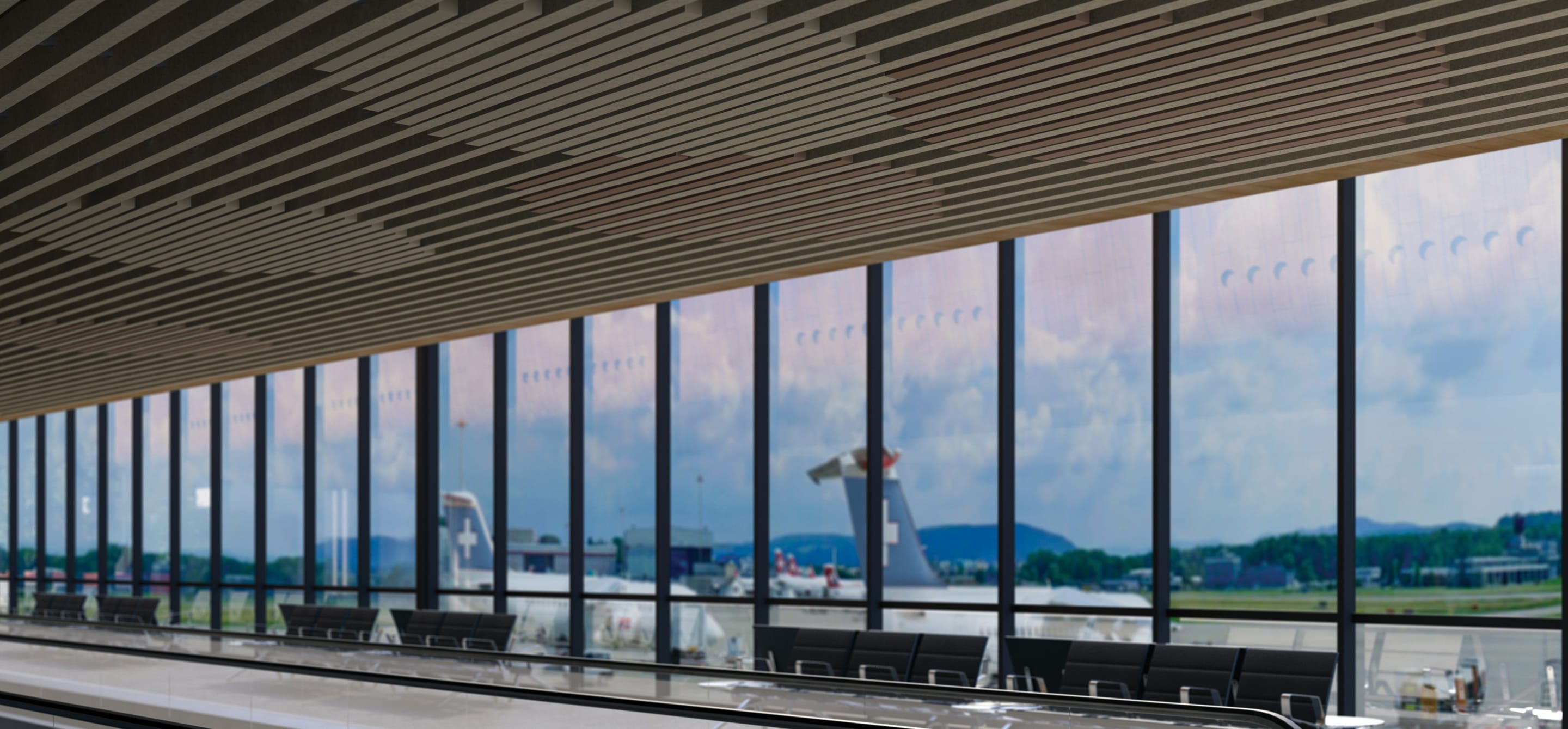

2. The global shift toward quiet airport terminal design
Airports around the world are rethinking how sound is delivered, managed, and experienced - driving a global shift toward quieter, sound-optimised terminals.
Examples include:
San Francisco (SFO), Helsinki (HEL), Amsterdam Schiphol (AMS), and Dubai (DXB) are reducing or eliminating terminal-wide announcements in favour of digital displays and targeted gate messaging - lowering ambient noise levels and improving speech intelligibility.
Singapore Changi (SIN) and Palm Springs (PSP) are pairing reduced announcements with curated ambient soundscapes and acoustically considered architecture to create a more balanced and intentional sensory experience.
Dublin (DUB), London Gatwick (LGW), and several major U.S. hubs are introducing dedicated quiet zones and sensory rooms. Designed with sound-absorbing materials, controlled lighting, and low-stimulation layouts, these spaces support neurodiverse travellers and anyone seeking respite from terminal noise.
Across these examples, the approach is consistent: 1. Manage reverberation, 2. Minimise unnecessary announcements, and 3. Integrate acoustic strategy from the outset. The goal is not silence for its own sake, but intentional sound design that enhances comfort, inclusivity, dwell time, and overall passenger satisfaction.
Supporting this shift requires high-performance acoustic materials capable of managing large, reverberant spaces like Zintra’s XL Box Tile or 12mm Acoustic Panels.
3. Designing quiet, inclusive spaces
Architects and experienced designers are increasingly treating airports as wellness-centered public spaces. At SFO’s Harvey Milk Terminal 1, hospitality-driven and inclusive design principles have set new benchmarks.
Key elements include:
Comfortable seating areas that encourage relaxation and reduce stress
Biophilic acoustic and design features - natural light and calming visual cues - paired with sound-absorbing materials
Sensory rooms for neurodiverse travelers, with controlled lighting and acoustically dampened zones for decompression and noise mitigation
These features demonstrate how physical design and acoustic performance work together to create more supportive, human-centered environments. Importantly, acoustic materials can serve a dual function - optimising sound absorption and reverberation control while contributing to the visual identity and warmth of a space.
Zintra’s Premium Wood Prints and Zintra Print Art are high-performance acoustic wall panel systems designed to deliver sound absorption while supporting biophilic and hospitality-driven terminal design.


4. Acoustic materials and technology used in modern airport terminals
The acoustic evolution of modern airports blends architectural strategy with advanced technology - ensuring terminals are not only visually impressive, but acoustically balanced.
In large-volume airport spaces, hard surfaces such as glass, concrete, and stone create high reverberation times. Without acoustic treatment, reflected sound energy builds up, reducing speech clarity and increasing perceived loudness.
Addressing this requires a layered acoustic strategy. High-NRC ceiling baffles, suspended beams, and acoustic wall panels absorb mid- and high-frequency sound energy, significantly improving intelligibility and reducing reverberation. These architectural treatments are most effective when paired with:
High-performance sound-absorbing wall panels and ceiling finishes to reduce echo and background noise
Zoned and adaptive PA systems that deliver targeted announcements at appropriate volumes
Smart audio management systems that enhance clarity without contributing to sound clutter
Together, these innovations allow airports to shape sound deliberately - improving intelligibility, managing reverberation, and creating environments that feel controlled rather than chaotic.
Zintra’s high-performing ceiling and suspended acoustic collections - including Zintra Beams (NRC 1.50), Box Tiles Emerald - Small and Large (NRC 1.15 and 1.05), and Box Tiles Hex (NRC 1.10) - combine measurable sound absorption with architectural flexibility, making them well suited to expansive airport terminals.
Conclusion
As global travel continues to evolve, airport acoustic design is becoming a strategic driver of passenger wellbeing, operational clarity, and commercial performance. From reverberation control and speech intelligibility to quiet zones and inclusive sensory spaces, sound management is redefining what modern terminals feel like. In an experience-driven aviation landscape, acoustics is no longer optional - it is essential infrastructure.
Frequently Asked Questions About Airport Acoustic Design
What is airport acoustic design?
Airport acoustic design refers to the strategic use of sound-absorbing materials, reverberation control, and targeted public address systems to improve speech intelligibility and passenger comfort in terminals.
Why are quiet zones important in airports?
Quiet zones reduce sensory overload, support neurodiverse travellers, and provide low-stimulation environments for rest and decompression.
How do acoustic materials improve passenger dwell time?
By lowering ambient noise and reducing stress, acoustically optimised terminals encourage passengers to relax, explore retail and dining, and spend more time in commercial areas.
What NRC rating is recommended for airport terminals?
High-traffic, large-volume spaces benefit from high-NRC ceiling and suspended systems (typically NRC 1.00+ depending on configuration).